APK Venom: A Complete Guide to Features, Installation, Safety, and What Users Should Know
APK Venom is a term Android users may come across when searching for modified applications, alternative app versions, or downloadable APK packages outside the Google Play Store. Because APK files can be obtained from many different websites, understanding what they are, how they work, and what risks may be involved is important before installing anything on an Android device.
For users exploring APK downloads, the biggest questions usually involve compatibility, features, installation, privacy, and security. This guide explains the topic in simple language so you can make more informed decisions when dealing with third-party Android applications.
Whether you are an experienced Android user or someone who has never installed an APK manually, knowing the basics can help you avoid common mistakes and protect your personal information.
What Is APK Venom?
The phrase APK Venom can refer to an Android application package or a third-party APK distribution source associated with apps that may not be available through the standard Google Play Store.
An APK, short for Android Package Kit, is the file format Android uses to install applications. When an application is downloaded from Google Play, the installation process is handled automatically. With an APK file, the user generally downloads the package separately and installs it manually.
The name “Venom” may be used by different APK-related websites, applications, or online resources. Therefore, users should not assume that every file carrying a similar name comes from the same developer or source.
This distinction is important because the safety and reliability of an APK depend heavily on where it comes from and whether the file has been modified.
How APK Files Work on Android
Android applications contain several components that allow the operating system to run them. An APK package may include the application’s code, resources, images, configuration information, and other necessary files.
When you install an APK, Android checks the package and attempts to install it as an application.
The basic process normally looks like this:
- An APK file is downloaded to the Android device.
- The user opens the downloaded package.
- Android checks whether installation from that source is permitted.
- The package is installed if the device allows it.
- The application becomes available through the normal Android interface.
The exact installation experience can vary depending on the Android version, device manufacturer, and security settings.
Why Do People Search for Third-Party APKs?
There are several reasons Android users look beyond official app stores.
Some applications may not be available in a particular country or region. Others may have older versions that users prefer because of compatibility or interface changes.
People may also search for APK packages because they want to explore applications that are unavailable through their normal app store.
Common reasons include:
- Accessing apps unavailable in a specific region
- Installing an older compatible version
- Testing an application before it appears in a local store
- Using Android devices without access to Google Play
- Exploring alternative app distribution platforms
- Recovering an application package after changing devices
However, convenience should not replace caution. A third-party APK can carry additional security and privacy risks if its origin is unclear.
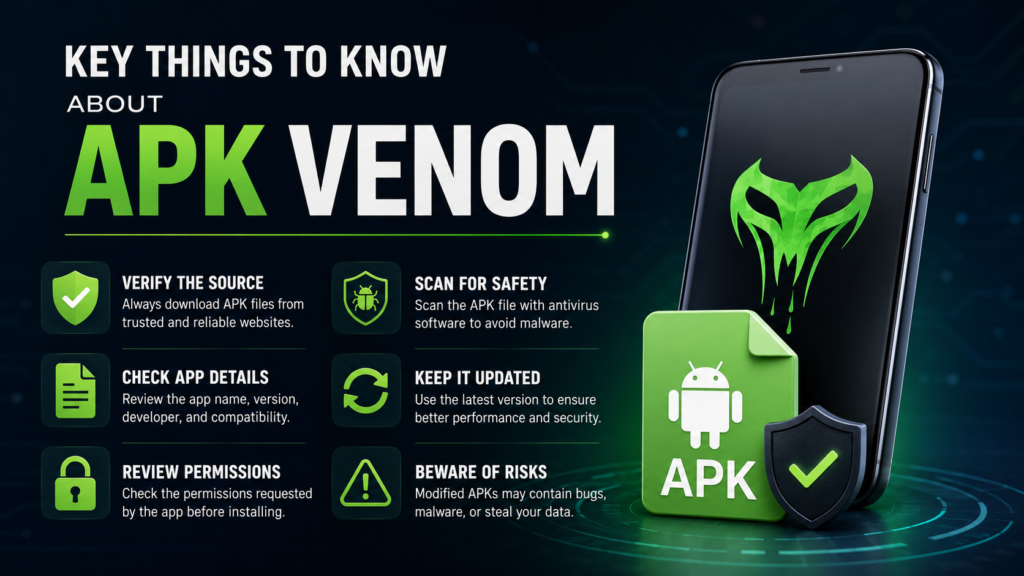
Key Things to Know About APK Venom
Before downloading an APK associated with this keyword, users should look beyond the name itself.
A reliable download should have information about the application, its version, developer, compatibility, and file details. If a website provides almost no information and aggressively pushes downloads, it deserves additional scrutiny.
Here are some important factors to consider:
Developer Information
Check whether the original developer or publisher is clearly identified. A legitimate application should normally have some form of developer information that can be verified.
Version Details
Look for the APK version number and release information. Installing an outdated package can create compatibility or security problems.
Permissions
Pay close attention to the permissions requested by the application. A simple application requesting access to unrelated information may deserve further investigation.
File Source
The source of an APK is one of the most important considerations. Downloading random files from unknown websites increases the possibility of receiving modified or malicious software.
APK Venom Features Users May Encounter
The features available through an APK depend entirely on the specific application being distributed. There is no universal feature list that applies to every file associated with the term.
Depending on the application, users may encounter features such as:
- A customized Android interface
- Additional personalization options
- Compatibility with different Android versions
- Access to features unavailable in another release
- Updated or older application builds
- Alternative installation options
- Additional settings or configuration tools
It is important to verify these claims before installing an application. Marketing descriptions do not necessarily prove that a particular feature is included in the actual APK.
APK Venom vs. Official App Store Downloads
There is a major difference between downloading an application through an official store and installing an APK manually.
The following table highlights some general differences:
| Factor | APK Download | Official App Store |
|---|---|---|
| Installation | Usually manual | Usually automatic |
| Source verification | Depends on website | Generally stronger platform controls |
| Updates | May require manual downloads | Usually handled through the store |
| Security screening | Varies by source | Platform-level security checks |
| Compatibility information | Depends on provider | Usually clearly displayed |
| Developer verification | Varies | More structured |
| User responsibility | Higher | Lower for basic installation |
This does not mean every APK is dangerous or every store download is automatically safe. Instead, it shows why third-party installation requires more responsibility from the user.
How to Check an APK Before Installation
Taking a few minutes to examine a file can reduce unnecessary risk.
Start by checking where the APK came from. Avoid downloading files from websites that use misleading download buttons, excessive pop-ups, or suspicious redirects.
Next, examine the application details.
You should consider:
- Is the developer clearly identified?
- Does the application name match the expected software?
- Is the version information available?
- Does the file appear unusually large or unusually small?
- Are the requested permissions reasonable?
- Are there trustworthy user reviews or discussions?
- Does the application have an official website or developer page?
If several details seem suspicious, it is better to stop rather than install the file simply because it is available.
Safe Installation Practices for Android Users
If you decide to install an APK manually, follow basic security practices.
First, keep your Android operating system updated. Security updates can address vulnerabilities that attackers may attempt to exploit.
Second, avoid disabling security protections permanently just to install an application. If Android displays a warning, take time to understand why it is appearing.
Other useful practices include:
- Download only from a source you can reasonably verify.
- Scan unfamiliar files with reputable security software.
- Review permissions before completing installation.
- Keep important personal data backed up.
- Avoid APKs that promise unrealistic benefits.
- Remove applications you no longer trust.
- Do not provide sensitive information to suspicious apps.
- Keep your important accounts protected with strong passwords and two-factor authentication.
These steps are useful for third-party applications in general, not just files associated with APK Venom.
Common Problems After Installing an APK
Manual APK installations can sometimes result in errors.
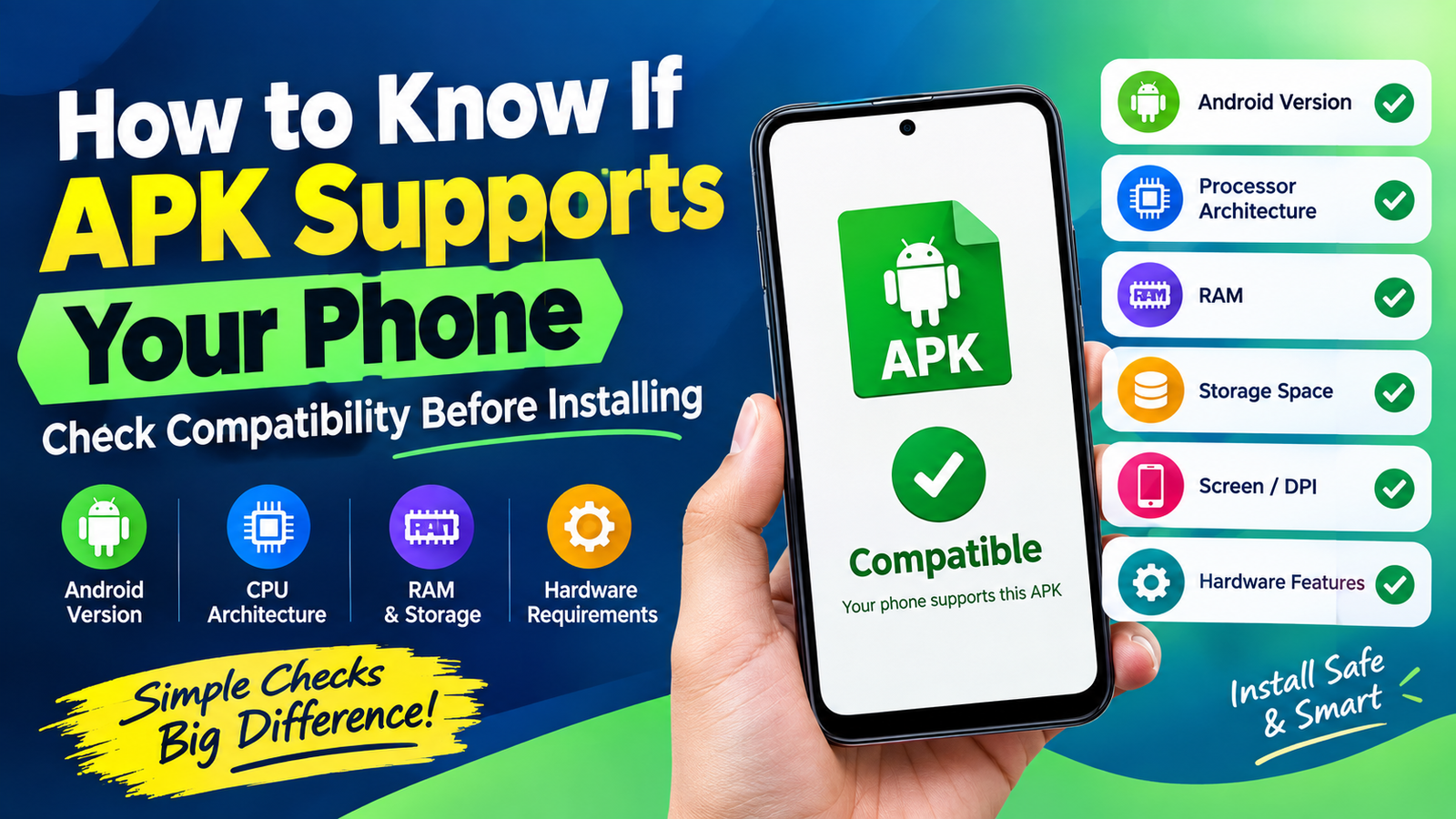
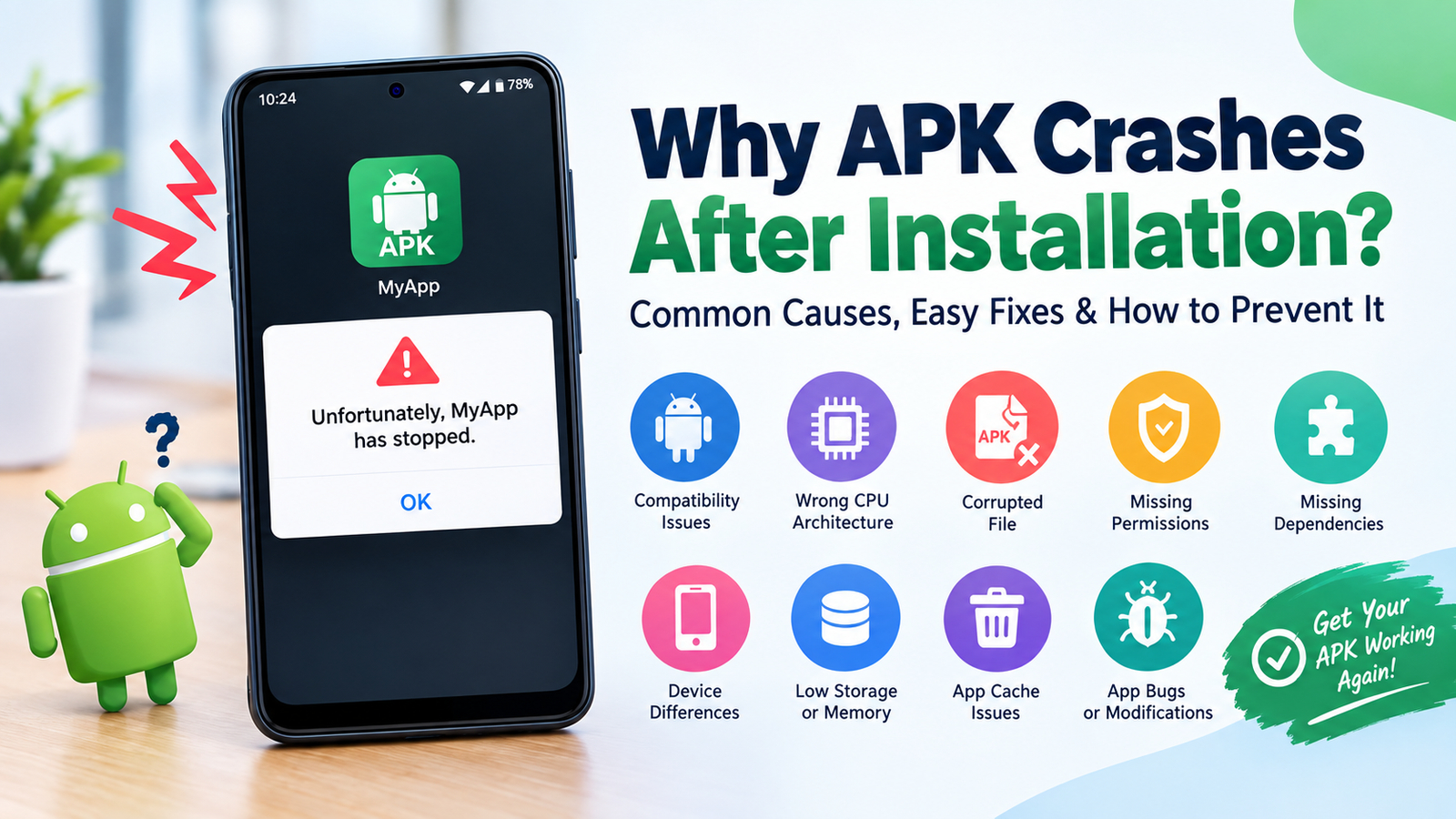
One common issue is that the application may not support your Android version. An APK designed for an older operating system might crash or refuse to install on a newer device.
Another problem is insufficient storage. Even when an APK itself is relatively small, the installed application may require additional space for data and updates.
Users may also encounter messages such as “App not installed.” This can happen for several reasons, including incompatible packages, conflicting versions, corrupted downloads, or device restrictions.
If an application does not work properly, uninstalling it and returning to a trusted official version may be the safest solution.
Understanding APK Permissions
Permissions deserve special attention because they determine what an application can access on your device.
For example, a photo-editing application may reasonably require access to photographs or media files. A basic calculator, however, generally has little reason to request access to contacts or SMS messages.
Before accepting permissions, ask yourself whether each request makes sense for the application’s purpose.
Be especially cautious when an unfamiliar app requests access to:
- Contacts
- SMS messages
- Call information
- Microphone
- Camera
- Location
- Accessibility services
- Files and personal data
Some permissions can be legitimate, but unnecessary access can increase privacy risks.
Is APK Venom Safe to Use?
There is no universal answer because safety depends on the exact APK, its developer, its source, and whether the package has been modified.
The name alone does not establish whether a file is safe.
Users should verify the specific application before installation rather than relying on the title of a website or APK package. A trustworthy-looking download page does not automatically guarantee that the file is original.
If the application’s origin cannot be verified, the safer approach is to avoid installing it.
What to Do If an APK Causes Problems
If an APK behaves strangely after installation, take action quickly.
Signs of concern can include unusual advertisements, excessive battery consumption, unexpected pop-ups, unexplained permissions, overheating, or applications appearing without your permission.
A sensible response is to:
- Disconnect from sensitive accounts if necessary.
- Uninstall the suspicious application.
- Run a security scan using trusted software.
- Review recently installed applications.
- Change important passwords if you believe credentials may have been exposed.
- Install pending Android security updates.
- Monitor the device for unusual activity.
For serious security concerns, professional technical assistance may be appropriate.
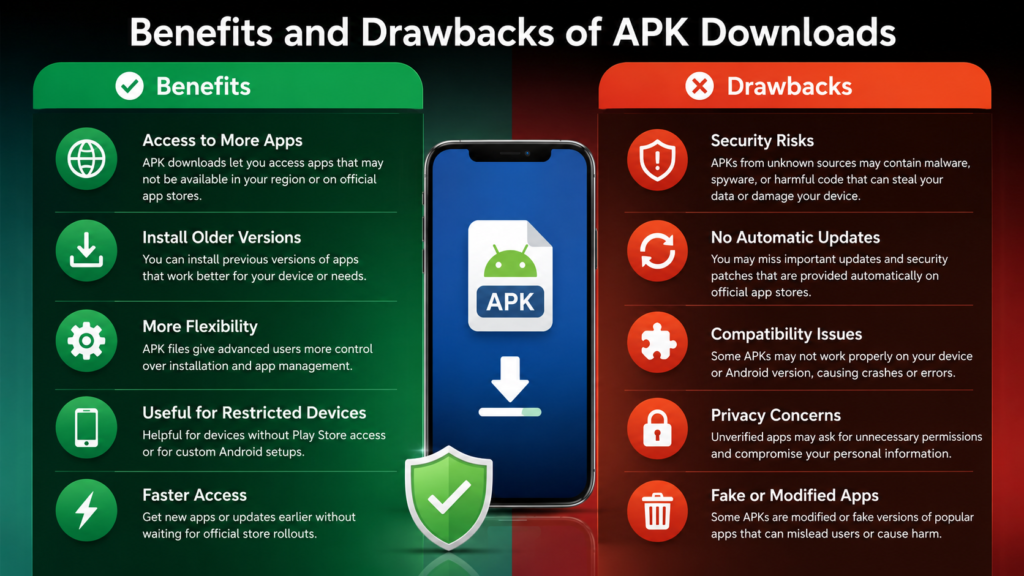
Benefits and Drawbacks of APK Downloads
APK files can be useful, but they also come with trade-offs.
Potential Benefits
- Access to applications outside an official store
- Ability to install particular application versions
- More flexibility for Android users
- Useful for devices without conventional app-store access
- Manual control over installation packages
Potential Drawbacks
- Greater security responsibility
- Possible malware or unwanted software
- Missing automatic updates
- Compatibility problems
- Privacy concerns
- Fake or modified applications
- Risk of downloading an outdated package
Understanding both sides makes it easier to decide whether manual installation is worthwhile.
Frequently Asked Questions
What does APK mean?
APK stands for Android Package Kit. It is the package format used to distribute and install Android applications.
Is every APK file unsafe?
No. APK files are not inherently unsafe. However, files obtained from unknown or unverified sources can carry greater security risks than applications installed through trusted channels.
Can an APK damage an Android phone?
A malicious or heavily modified application can potentially create security or privacy problems. Keeping Android updated, checking permissions, and downloading applications from reputable sources can reduce the risk.
Why won’t an APK install on my phone?
Possible causes include an incompatible Android version, insufficient storage, a corrupted file, conflicting application versions, or device security restrictions.
Should I allow every permission requested by an APK?
No. Review permissions carefully and only grant access that makes sense for the application’s purpose. Unnecessary permissions can create avoidable privacy concerns.
Can APK apps receive automatic updates?
It depends on how the application was installed and distributed. Unlike apps installed through an official store, manually installed APKs may require users to find and install newer versions themselves.
Final Thoughts
APK files give Android users another way to install applications, but that flexibility comes with additional responsibility. The keyword APK Venom may lead users to different applications or third-party download sources, so it is important to verify the exact file rather than trusting the name alone.
Also Read: APK Cheers: Latest Version 7 Features You Should Know











1 comment